
Walk into any furniture workshop in South Africa and you will find a mix of indigenous hardwoods, plantation timber and imported species. Each wood type looks, behaves and costs differently, so the right choice depends on what you are building and how long you want it to last. This guide covers the woods we see most often at Holzfleck, and how we would use them.
What makes a good furniture wood?
- Stability: how much the wood moves as humidity changes. Stable woods keep doors and drawers running smoothly.
- Hardness and durability: softer woods dent more easily, harder woods stand up to daily knocks.
- Workability: how easily the timber can be cut, joined and finished.
- Appearance: colour, grain and figure.
- Availability and sustainability: some beautiful indigenous woods are protected and only available from licensed or reclaimed sources.
Kiaat
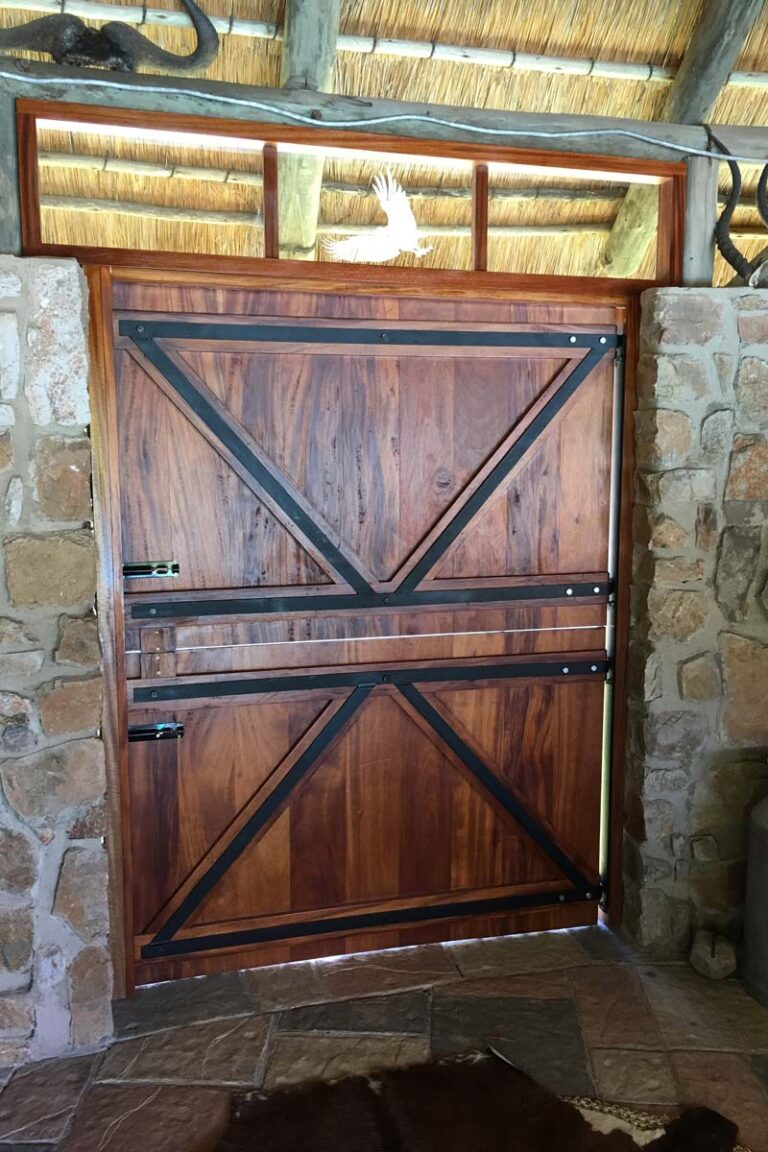
Kiaat (Pterocarpus angolensis), also called wild teak or bloodwood, is one of the most prized indigenous furniture timbers. It has a warm golden-to-reddish brown colour, a pleasant scent and is known for being stable and resistant to borer and termites. The tree grows in the warm north-east of the country, and the SANBI PlantZAfrica profile of kiaat is a good place to learn more about it. Kiaat is a protected tree, so it is costly and should only be bought from legal sources.
Blackwood
Blackwood (Acacia melanoxylon) was introduced from Australia and is classed as an invasive alien tree in South Africa, so putting felled trees to use is a good outcome. It is a dense, hard-wearing timber with rich golden-to-dark brown tones and often a beautiful figure, which is why we use it for our Blackwood Country Range, the Blackwood Biltong Cutter and our blackwood bedside tables.
Saligna
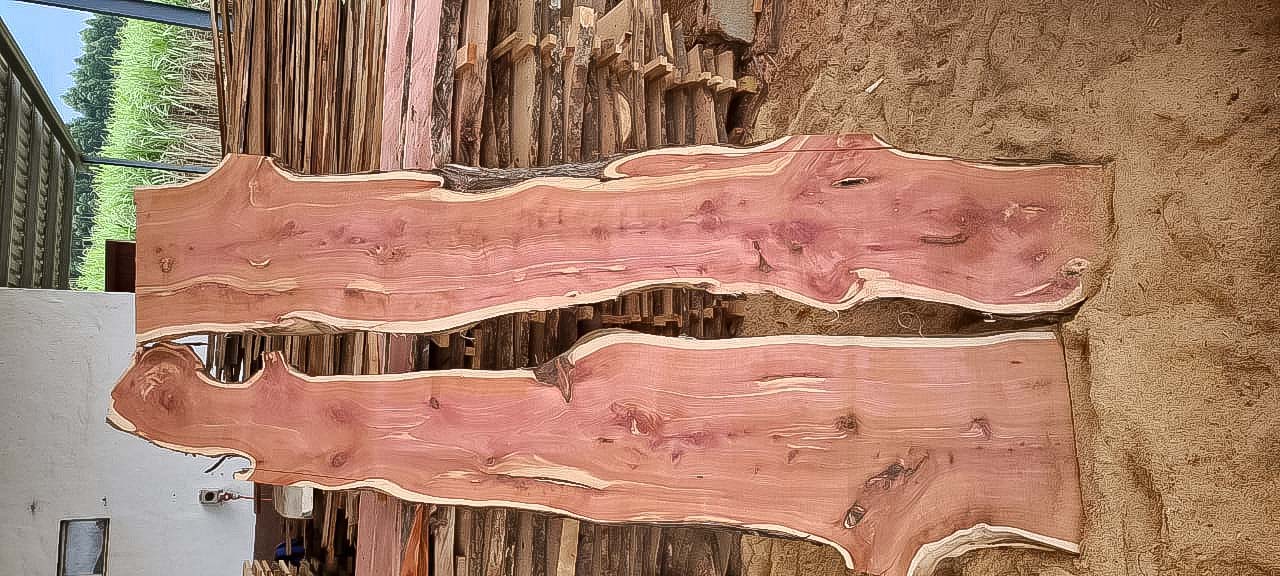
Saligna is the South African trade name for plantation-grown Eucalyptus grandis. It is a pinkish to reddish-brown hardwood that is affordable, widely available and strong for its price, which makes it popular for tables, beds and kitchen boards. Saligna must be properly dried to stop it moving or checking. Most of our wooden cutting boards combine pine and saligna, finished with food-safe oil.
Pine
South African plantation pine is light in colour and weight, easy to work and the most budget-friendly option. Because it is a softwood it dents more easily, so it suits painted cupboards, children’s furniture and pieces that will not take heavy daily wear. Good-quality, knot-free pine with a durable finish can still last for decades.
Yellowwood and stinkwood
Yellowwood and stinkwood are the classic woods of old Cape and Victorian furniture. Both are protected indigenous species today, so new pieces are usually made from reclaimed timber. If you own heirloom furniture in these woods, restoration is often a better choice than replacement.
Imported hardwoods
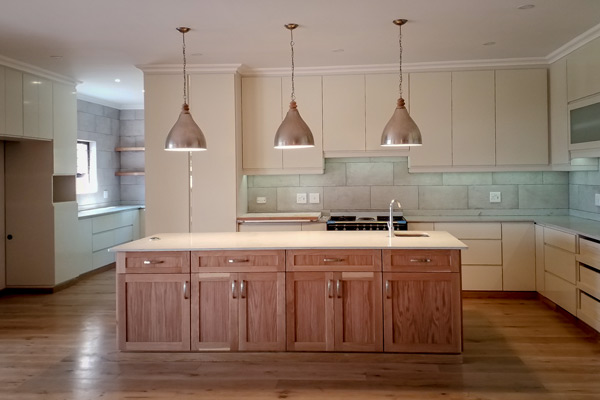
Imported species such as oak and meranti are common in South African joinery. Oak gives a light, classic look for tables and cabinet doors, while meranti is often used for windows, doors and frames. For outdoor decking and furniture, dense hardwoods with natural oils perform better than untreated softwoods.
Manufactured boards
Not every part of a piece needs to be solid wood. Plywood, MDF and melamine-faced board are stable, affordable and ideal for cupboard carcasses, drawer bottoms and painted doors. A good joiner will combine solid wood where it shows and is touched with boards where they make more sense.
Which wood should you choose?
- Heirloom dining table: kiaat, blackwood or oak.
- Everyday family furniture on a budget: saligna or good-quality pine.
- Kitchen cabinets: see our guide to the best wood for kitchen cabinets in South Africa.
- Bedroom cupboards: board carcasses with solid wood or painted doors, explained in our built-in cupboards planning guide.
- Cutting and serving boards: close-grained hardwoods such as saligna and blackwood.
Talk to a joiner
Still unsure? Our team in New Hanover works with all of these woods every week. See our custom joinery services or contact us for advice on the right timber for your project.