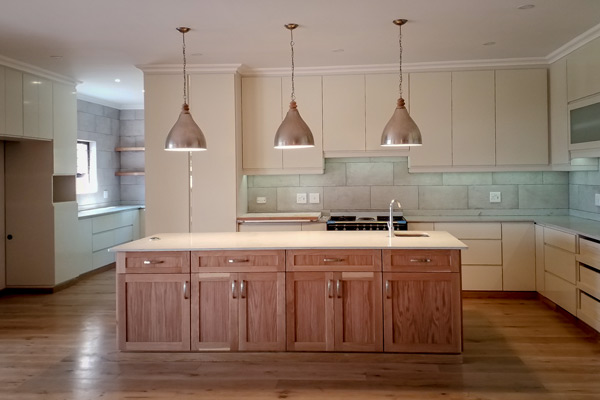
Built-in cupboards make the most of every centimetre of a room, look neater than freestanding wardrobes and add value to a home. Good planning is what separates cupboards you love from cupboards you fight with every morning. Use this guide before you ask for quotes.
1. Start with what you need to store
Before you think about doors and colours, list what has to go inside. Long dresses and coats need full-height hanging space; shirts and jackets need double hanging rails; folded clothes, shoes, linen and suitcases all need their own zones. A quick inventory stops you ending up with too many shelves and too little hanging space.
2. Measure the space
Measure the width, height and depth of the wall at several points, because walls and ceilings are rarely perfectly straight. Note plug points, light switches, windows, skirting boards and cornices. A joiner will always measure again on site, but your own measurements help with early planning and budgeting.
3. Plan the inside layout
- Hanging: allow roughly 1.6 to 1.8 m of height for long items and about 1 m per rail for double hanging.
- Shelves: adjustable shelves give you flexibility as your needs change.
- Drawers: great for underwear, socks and accessories, and they keep things dust-free.
- Top boxes: use the space up to the ceiling for suitcases and seasonal items.
4. Choose your doors
Hinged doors give full access to the cupboard but need space to swing open. Sliding doors suit narrow rooms, but you can only open one side at a time. Open shelving and walk-in layouts work well in dressing rooms. Door style sets the look of the room: plain painted doors feel modern, shaker panels feel classic, and solid wood adds warmth.
5. Pick the right materials
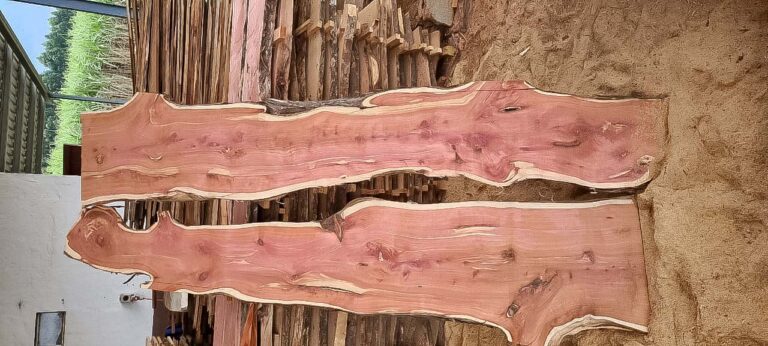
Most cupboard carcasses are made from melamine-faced board or plywood because they are stable and easy to clean. Doors can be painted MDF, veneer or solid wood such as saligna, blackwood or oak. Our guide to South African wood types for furniture compares the options, and the same carcass advice applies in the kitchen, as explained in our guide to the best wood for kitchen cabinets.
6. Don’t forget the details
- Soft-close hinges and drawer runners.
- Handles or push-to-open fittings.
- Internal lighting in deep or walk-in cupboards.
- Ventilation in damp rooms, particularly near the coast.
7. Questions to ask your joiner
- What board or timber will the carcasses and doors be made from?
- Which hinges and runners do you use, and are they guaranteed?
- Is installation included, and who removes old cupboards?
- How long will manufacture and fitting take?
For the wider picture on furniture timber, the SANBI profile of kiaat shows why some indigenous woods are protected and best used sparingly.
Built-in cupboards in the KZN Midlands
Holzfleck Joinery designs and installs built-in cupboards and wardrobes, vanities and kitchens from our workshop in New Hanover. See more on our custom joinery page or contact us to book a measure and quote.