Think of the oldest piece of wooden furniture in your family. Maybe it is the dining table your gran served Sunday lunch on, or the kist that moved house with three generations. It has been moved, bumped, polished and loved, and it is still standing. That is what well-made custom wooden furniture is about: pieces made for your space and your life that last long enough to become someone else’s heirloom.
Commissioning furniture can feel intimidating if you have never done it. What is the difference between custom, bespoke and handmade? Which wood should you choose? What does it cost, how long does it take and what should you ask before paying a deposit? This guide answers all of that, drawing on what our team has learnt since Holzfleck Joinery was founded in New Hanover, KwaZulu-Natal, in 2012.
Quick answer: Custom wooden furniture is made to your measurements, design and choice of timber, instead of being picked off a showroom floor. It costs more upfront than mass-produced furniture, but it fits your space exactly, uses solid wood and proper joinery, can be repaired and refinished, and often lasts for generations. It is worth it for hard-working pieces such as dining tables, beds, kitchens and built-ins, and for awkward spaces that standard sizes cannot fill.
In this guide
- Custom, bespoke, handmade: what the words mean
- Custom vs store-bought vs flat-pack
- Is custom furniture worth it?
- Choosing the right wood
- Joinery 101: what holds good furniture together
- How the custom furniture process works
- What affects the price
- Questions to ask before you commission
- Ideas: what you can commission, room by room
- Frequently asked questions
Custom, bespoke, handmade, handcrafted: what do the words actually mean?
Furniture marketing loves these words, and they are often used loosely. Here is what each one should mean when you are comparing quotes:
- Custom (or custom-made, custom-built): made to your specifications. This might mean a standard design built to your measurements, or a completely new design.
- Bespoke: the most personal level of custom. The piece is designed from scratch around you, your room and how you will use it. The word comes from tailoring, where cloth was “spoken for” by a particular customer.
- Handmade or handcrafted: made by skilled people at the bench rather than on an automated production line. Machines still do the heavy cutting and planing, but people do the fitting, joining, shaping and finishing.
- Solid wood: made from timber all the way through, not a thin veneer over particle board. Many quality pieces use solid wood for the visible parts and good manufactured boards for hidden parts, which is perfectly sensible as long as you are told.
Rule of thumb: If a quote does not tell you the timber species, the board materials and the type of joints, ask. A good joiner is happy to explain exactly what you are paying for.
Custom vs store-bought vs flat-pack: an honest comparison
Not every piece of furniture in your home needs to be custom-made. This comparison shows where each option makes sense.
| Factor | Custom solid wood | Store-bought (showroom) | Flat-pack |
|---|---|---|---|
| Fit | Made to the centimetre for your space | Standard sizes only | Standard sizes only |
| Materials | Your choice of timber, board and finish | Varies; often veneered board | Mostly particle board or MDF with foil or veneer |
| Construction | Traditional joints plus glue; built to be repaired | Varies widely | Cam locks and screws |
| Lifespan | Decades; can be sanded and refinished | Years to decades | Often a few years, especially after a move |
| Lead time | Weeks, depending on the piece | Immediate to a few weeks | Immediate |
| Upfront price | Highest | Medium | Lowest |
| Cost per year of use | Often the lowest over its life | Medium | Can be high if replaced often |
| Personality | One of a kind | Shared with thousands of homes | Shared with millions of homes |
The “cost per year of use” row is the one most people forget. A solid wood table that serves your family for 30 years usually works out far cheaper than three cheaper tables replaced along the way, and it is better for the planet too.
Is custom wooden furniture worth it?
Custom furniture is worth the investment when one or more of these is true:
- The piece works hard. Dining tables, beds, kitchen cabinets, desks and wardrobes get daily use. These are where solid timber and proper joints pay off.
- The space is awkward. Alcoves, sloping ceilings, bay windows, odd-sized bedrooms and that strange gap next to the fireplace. Standard furniture wastes these spaces; custom pieces turn them into storage.
- You want something that lasts. If you are furnishing a forever home, or want pieces to hand down, solid wood is the material that can be repaired and refinished again and again.
- You care about where it comes from. With custom work, you can ask exactly which timber is used and where it came from.
It is probably not worth it for a piece you expect to replace within a few years, for a short-term rental or for a child’s room you will redo in three years. Be honest about how long you will keep it.
Choosing the right wood for your furniture
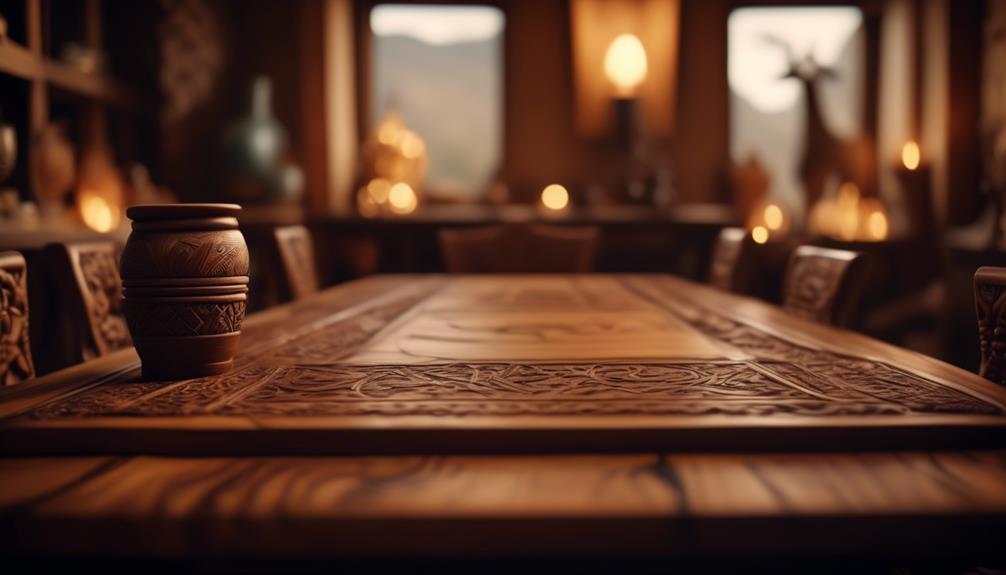
The timber you choose decides how a piece looks, how heavy it is, how well it resists dents and how it ages. Here are practical starting points for common pieces. At Holzfleck we regularly build with blackwood, saligna, pine and other plantation timbers, and use quality manufactured boards where they make more sense.
| Piece | Good timber choices | Why |
|---|---|---|
| Dining table | Blackwood, saligna or another dense hardwood | A hard top resists dents from plates, toys and homework; dense wood feels solid |
| Coffee and side tables | Blackwood, saligna, pine for a rustic look | Visible pieces where grain and colour matter most |
| Beds | Saligna, pine or blackwood | Strong, stable frames; pine keeps weight and cost down |
| Wardrobes and built-ins | Solid wood doors and frames with board carcasses | Board carcasses are stable and economical; solid wood where you see and touch it |
| Kitchen cabinets | Solid wood doors and worktops, moisture-resistant boards inside | Kitchens see heat and water; the right mix balances durability and budget |
| Outdoor furniture | Durable, naturally weather-resistant or treated timber with an exterior finish | Sun and rain are hard on wood; species and finish both matter |
For a deeper look at the timbers themselves, from blackwood and saligna to kiaat and yellowwood, read our practical guide to South African wood types for furniture. Planning a kitchen? Our guide to the best wood for kitchen cabinets in South Africa compares solid wood with the main board options.
Why wood moves, and why it matters in KZN
Wood is a natural material that breathes. It takes up moisture when the air is humid and gives it back when the air is dry, and it swells and shrinks as it does. A classic extension paper from Purdue University on the shrinking and swelling of wood explains that this movement cannot be stopped mechanically. Good furniture has to be designed to allow for it. The USDA Forest Products Laboratory Wood Handbook covers the science in detail.
In practice, that is why a good joiner uses properly dried timber, lets solid tabletops float in their frames instead of screwing them down tight, and chooses joints that allow for seasonal movement. It matters along the humid KwaZulu-Natal coast and in the misty Midlands, where cheaper furniture with no allowance for movement is prone to cracks and sticking drawers.
Solid wood vs veneer and boards: when each makes sense
Solid wood is not automatically better for every part of every piece. Wide panels in solid timber move with the seasons, while quality plywood, MDF and veneered boards stay flat and stable. That is why many well-made wardrobes and kitchens use boards for carcasses and shelves and solid wood for doors, frames, edges and tops. The key is honesty: you should know what you are getting and pay accordingly.
Joinery 101: what holds good furniture together
Joinery is the craft of connecting pieces of wood. It is the difference between a chair that wobbles after a year and one that is still solid after fifty. You do not need to be an expert, but knowing these terms helps you judge quality:
- Mortise and tenon: a tongue (the tenon) on one piece fits snugly into a slot (the mortise) in another. It is the backbone of strong tables, chairs and bed frames, and it has been used for thousands of years. Read more about the mortise and tenon joint.
- Dovetail: interlocking, fan-shaped “tails” and “pins”, traditionally used to join drawer fronts to drawer sides. A well-made dovetail joint resists being pulled apart, so drawers survive decades of yanking.
- Dowels and biscuits: small wooden pins or ovals that align and strengthen glued joints. They are common and perfectly sound when done well.
- Pocket screws and cam fittings: quick and practical for carcasses and flat-pack, but not what you want holding together a dining chair.
Quick quality test: Pull out a drawer and look at the corners. Interlocking joints and smooth runners are a good sign. Staples, visible glue blobs and a drawer bottom that flexes are not.
Finishes: oil, wax or lacquer?
- Oil soaks into the wood and gives a natural, matte to satin look that is easy to touch up. It needs re-oiling now and then.
- Wax adds a soft sheen and a lovely feel, but offers less protection against water and heat. It is often used over oil.
- Lacquer or varnish forms a tougher film on the surface, which is good for dining tables and kitchens that face spills. Scratches are harder to touch up invisibly.
Ask your joiner to show you samples of each finish on the timber you have chosen. The same wood can look surprisingly different under oil and under lacquer.
How the custom furniture process works, step by step
Every workshop has its own rhythm, but a good custom furniture project usually follows these stages. Knowing them helps you prepare and avoids surprises.
| Stage | What happens | Your homework |
|---|---|---|
| 1. Consultation | You discuss what you need, how you will use it, style, timber and budget | Collect photos you like, rough measurements and a realistic budget range |
| 2. Measuring and design | The space is measured and a design or drawing is prepared | Check doorways, stairs and passages the piece must pass through |
| 3. Written quote | You receive a quote with materials, finishes, timelines and terms | Read the details: timber, joints, finish, delivery, deposit and cancellation terms |
| 4. Deposit and timber selection | A deposit secures your slot and the timber is selected | Ask to see the timber or samples if appearance matters to you |
| 5. Making | The piece is cut, joined, assembled and sanded in the workshop | Be available for questions; small decisions sometimes come up |
| 6. Finishing | Oil, wax or lacquer is applied and allowed to cure | Plan where the piece will go and clear the space |
| 7. Delivery and installation | The piece is delivered and fitted; built-ins are installed on site | Inspect it together; check doors, drawers and level |
Built-in storage follows the same path with more measuring. If you are planning bedroom cupboards, our built-in cupboards planning guide walks you through layouts, door styles and interior fittings before you get quotes.
What affects the price of custom wooden furniture?
Every piece is different, so honest joiners quote per project rather than publishing a price list. These are the factors that move the number most:
- Size and amount of timber. A 10-seater dining table uses far more wood than a bedside table.
- Timber species and grade. Dense, figured hardwoods cost more than plantation pine. Wide, clear boards cost more than narrow boards with knots.
- Design complexity. Curves, carving, drawers and doors all add hours at the bench.
- Joinery. Hand-cut traditional joints take longer than screws, but they last longer too.
- Finish. Multi-coat finishes need time between coats.
- Hardware. Soft-close runners, quality hinges and handles add up.
- Delivery and installation. Distance, access and on-site fitting time.
Budget tip: Spend on what you touch and see every day, such as the tabletop, doors and drawer fronts. Save where nobody looks, such as carcasses, backs and the inside of cupboards. A good joiner will suggest where to save without compromising strength.
Questions to ask before you commission a piece
Print this list, or keep it open on your phone, when you talk to any furniture maker:
- Which timber species will you use, and where does it come from?
- Which parts are solid wood, and which are board or veneer?
- Which joints will hold it together?
- Which finish do you recommend, and how do I look after it?
- Can I see photos of similar pieces you have made, or visit the workshop?
- How long will it take, and what could delay it?
- How much is the deposit, and what are the cancellation terms?
- Is delivery and installation included?
- What happens if something is not right when it arrives?
Always get the quote, specifications and terms in writing. South Africa’s Consumer Protection Act 68 of 2008 sets out consumers’ rights on matters such as orders, deposits, cancellations and quality, and a clear written agreement protects both you and the maker.
Measure like a pro (and avoid the classic mistakes)
- Measure width, depth and height at three points. Old walls and floors are rarely straight.
- Note skirting boards, plug points, light switches, windowsills and where doors swing.
- Measure every doorway, corridor and staircase the piece must pass through. Many a beautiful wardrobe has been defeated by a tight corner.
- Think about use: how many people sit at the table, how tall the person at the desk is and what will be stored in the drawers.
- For dining tables, allow about 60 cm of width per seated person, and leave room to pull chairs out.
Sustainability: furniture that is kinder to the planet
Buying furniture once and keeping it for decades is one of the most sustainable choices you can make. Timber also stores carbon for as long as the piece exists. When buying wood products, look for responsibly grown timber. The Forest Stewardship Council (FSC) Africa explains how certification supports responsible forestry and solid timber products.
At Holzfleck we run our own sawmilling facility. That lets us turn logs that would otherwise go to waste into usable timber and finished furniture, and we know exactly where our wood comes from. We regularly build with blackwood, saligna, pine and other plantation timbers.
Caring for solid wood furniture
- Keep pieces out of direct, all-day sun, which fades and dries wood.
- Avoid placing furniture right against heaters, fireplaces or air-conditioner outlets.
- Wipe spills straight away and use coasters and placemats.
- Dust with a soft, slightly damp cloth, then dry it.
- Re-oil or re-wax oiled and waxed finishes once or twice a year, or when the wood looks dry.
Ideas: what can you commission, room by room?

If you can draw it, or even describe it, a skilled joiner can usually build it. Here is some inspiration from the kinds of pieces we make:
- Kitchen: custom kitchens with solid wood doors, islands and worktops.
- Dining room: solid wood tables and chairs, plus sideboards and freestanding units.
- Living room: TV and wall units, fireplace surrounds and home bars.
- Bedroom: beds, dressing tables, built-in cupboards and wardrobes and our ready-made blackwood bedside and side tables.
- Bathroom: solid wood bathroom vanities.
- Work: home offices and studies and boardroom tables.
- The whole house: staircases and wall panelling, wooden windows and doors and outdoor furniture.
- Community: church furniture built to be dignified and durable.

Frequently asked questions
What is custom wooden furniture?
It is furniture made to your measurements, design and choice of timber, rather than bought in standard sizes from a showroom. It can range from a standard design built to your size to a fully bespoke one-off piece.
Is custom furniture more expensive than buying from a store?
Usually it costs more upfront, because it uses solid timber, skilled hours and proper joinery. Over its lifespan it often costs less per year of use, because it lasts much longer and can be repaired and refinished.
How long does it take to make custom furniture?
It depends on the piece, the timber, the finish and the workshop’s schedule. A small table takes less time than a full kitchen. Ask for a realistic timeline in your written quote, including drying and curing time for finishes.
What is the best wood for furniture in South Africa?
For hard-wearing pieces such as dining tables, dense hardwoods such as blackwood or saligna work well. Pine is lighter and more affordable for beds and rustic pieces. The best choice depends on the piece, your style and your budget.
What is the difference between bespoke and custom furniture?
Custom usually means made to your specifications, which can include a standard design in your size. Bespoke means designed from scratch for you and your space.
Can old or damaged solid wood furniture be repaired?
Usually, yes. That is one of solid wood’s biggest advantages: scratches can be sanded out, finishes renewed and loose joints re-glued.
Do you only work in New Hanover?
Our workshop is in New Hanover, and we take on projects in and around New Hanover and the wider KwaZulu-Natal Midlands. For projects further afield, get in touch and we will let you know what is possible.
Let’s build something that lasts
Have a piece in mind, or just a space you want to make better? Tell us about it. Holzfleck Joinery has designed and built custom furniture and joinery from our New Hanover workshop since 2012, with more than 40 years of combined experience in the team. Call 082 725 7530 (Monday to Friday, 8am to 5pm), send us a message on our contact page, or browse our custom joinery services for more ideas.